About Cancer Care

Breast Cancer Care

Common Concerns That Bring Patients to Breast Cancer Care

Breast cancer care often begins with a specific diagnosis, but many concerns develop long before or alongside that moment. Understanding why these changes occur can help patients feel more informed and less overwhelmed.

Concerns may arise due to genetic mutations or inherited risk, hormonal changes that influence breast tissue over time, prior radiation exposure or dense breast tissue and abnormal imaging findings. Our role is to help patients understand what may have contributed to their diagnosis or risk profile and explain how surgical care fits into a larger plan for health and prevention.

Breast Cancer Approach

A Thoughtful Approach to Breast Cancer Treatment

Breast cancer treatment involves more than removing abnormal tissue. It requires thoughtful planning, coordinated care and a team that understands how deeply these decisions affect your life. At Vega Plastic Surgery & MedSpa, cancer care is guided by precision, communication and continuity.

Each treatment plan is tailored to the individual and may include diagnostic procedures, surgical treatment, preventive strategies and supportive care related to chemotherapy. We work closely with your oncology team and other healthcare providers so your surgical care fits seamlessly into your overall treatment plan. Patients appreciate our organized, calm approach and the reassurance of knowing they are supported by a close-knit team that values medical excellence and human connection.

Surgical Options

Breast Cancer Surgeries

Breast cancer surgery is highly individualized and depends on many factors, including cancer type, size, location, stage and personal preferences. Dr. Farkas and Dr. Vega are renowned for their expertise in breast procedures, and they approach each case with a focus on oncologic safety and long-term outcomes.

Lumpectomy

A lumpectomy is a breast-preserving surgery that removes the cancerous tumor along with a small margin of surrounding tissue.

Lumpectomy may be appropriate or recommended if:

  • The diagnosis is early-stage breast cancer
  • The tumor is small relative to breast size
  • Cancer is localized to one area
  • Breast preservation is a priority
  • Radiation therapy is planned as part of your treatment

Careful planning and precise techniques help preserve breast shape while effectively treating cancer. Radiation therapy is often recommended following a lumpectomy but will depend on your oncology plan.

Mastectomy

Mastectomy involves the removal of nearly all of the breast and may be recommended based on tumor characteristics, genetic risk, personal history or patient preference. We offer several mastectomy approaches, allowing care to be tailored to each individual situation.

  • Skin-Sparing Mastectomy: This technique removes breast tissue while preserving most of the natural breast skin. It is often chosen when reconstruction is planned and can help support a more natural final result.
  • Nipple-Sparing Mastectomy: When medically appropriate, the nipple and surrounding skin can be preserved while removing the underlying breast tissue. This option depends on tumor location, anatomy and shape of the breast.
  • Modified Radical Mastectomy: This procedure removes the breast tissue along with select lymph nodes in the underarm area. It may be recommended when the lymph nodes are affected or when more extensive treatment is required.

Prevention, Diagnosis, Risk

Breast Cancer Prevention, Diagnosis and Risk Reduction

For some patients, breast cancer care begins before cancer develops. Genetics and family history can significantly increase a person’s lifetime risk of getting breast cancer. We offer preventive options for patients who want to take a proactive approach to their health.

Preventative Options

Genetics and Family History of Breast Cancer

Patients with known genetic mutations or strong family histories of breast cancer often face complex decisions. We help translate risk information into understandable options so you can make choices that align with your goals and comfort level.

Bilateral Risk-Reducing Mastectomy

This preventive procedure removes the breasts to significantly reduce the risk of developing breast cancer in high-risk patients. While it is a major decision, many patients choose this option for peace of mind and long-term risk reduction.

Contralateral Risk-Reducing Mastectomy

For patients diagnosed with cancer in one breast, removal of the unaffected breast may be considered to reduce future risk and improve balance when reconstruction is planned. This decision is deeply personal and guided by individual risk factors and preferences.

Preventive care discussions are never rushed. Our role is to provide guidance and support without pressure.

Breast Biopsies

Breast Biopsies

Breast biopsies play an essential role in breast cancer diagnosis and treatment planning by providing clear answers when imaging reveals an area of concern. Rather than relying on assumptions, a biopsy enables direct evaluation of breast tissue, allowing care decisions to be based on accurate information.

In most cases, biopsies are performed by a radiologist using image-guided techniques. However, there are situations where certain areas of concern are difficult for a radiologist to access or biopsy effectively. In those cases, the biopsy is referred to a surgeon, and our team is prepared to step in with the precision and care these situations require.

During your visit, we take time to explain:

  • Why a biopsy is recommended and what prompted the concern
  • What the procedure involves and what you can expect before and after
  • What information the results can provide
  • How findings may guide treatment or next steps

Most biopsies are minimally invasive and performed with patient comfort in mind. If results indicate that additional care is needed, options are reviewed clearly and compassionately so you understand what comes next and feel supported throughout the process.

Chemotherapy

Chemotherapy Port Placement and Removal

Many patients undergoing chemotherapy benefit from a port, which provides consistent and reliable access for medication delivery, blood draws and other treatments. Ports are designed to make cancer treatment more manageable by reducing the need for repeated needle sticks, protecting the veins over time.

Port Placement

Port placement is performed as a minor surgical procedure. The port is positioned beneath the skin, typically in the upper chest, and connected to a vein through a small catheter. Once healed, the port is accessed easily during treatment appointments, helping streamline care and improve comfort on treatment days. Your care team will review what to expect during placement and how to care for the area afterward.

Port Removal

When chemotherapy is complete and the port is no longer needed, it can be removed during a straightforward outpatient procedure. Port removal typically involves minimal downtime, and most patients return to normal activities quickly. Clear aftercare instructions are provided to support proper healing and comfort.

Preparing

Preparing for Your Breast Cancer Consultation

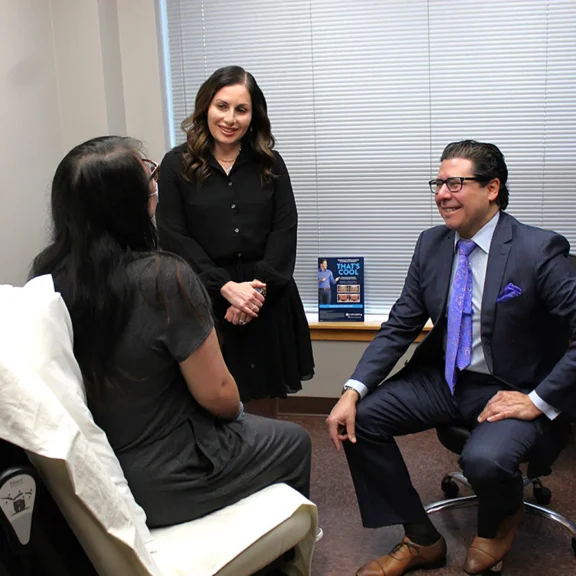
Cancer care consultations prioritize clarity and comfort, allowing you to understand all aspects of your options without time constraints. If you have been diagnosed recently, bringing a support person can be helpful.

During your visit, we will discuss how cancer develops, spreads and affects the body, your diagnosis or risk profile, surgical options and recommendations, expected recovery timelines, coordination with oncology care and follow-up and monitoring plans.

If you have imaging reports, pathology results and/or genetic testing information, please bring all relevant documents with you. Our team can help gather additional records if needed.

What to Expect

What to Expect Before and After Breast Cancer Surgery

Cancer care does not exist in isolation. Hormonal changes, aging and life stress all intersect with health over time. We are uniquely positioned to support patients throughout breast cancer treatment as well as during recovery, restoration and long-term wellness.

Every breast cancer-related procedure has its own timeline, but understanding the general flow of care can help reduce anxiety and make the process feel more manageable. Our team is committed to thoroughly preparing you so that there are no surprises along the way.

Before Surgery

Before your procedure, you will receive detailed instructions tailored to your surgery and circumstances. These may include guidance on medications to stop or continue, eating and drinking restrictions and how to prepare at home. Preoperative testing such as blood work or imaging may be required to confirm you are medically ready for surgery.

During this time, we also review your surgical plan in detail, discuss recovery expectations and answer any remaining questions. Our goal is to help you feel informed, prepared and confident heading into surgery.

Surgery Day

On the day of surgery, you will arrive at the surgical facility for check-in and preparation. Your care team will review the procedure with you again, confirm important details and make sure you are comfortable before surgery begins.

After the procedure, you will be monitored closely in recovery as the anesthesia wears off. Our team will manage your comfort, assess initial healing and review next steps with you and your support person before you go home or transition to further care if needed.

Recovery and Follow-Up

Recovery timelines vary depending on the type of breast cancer and reconstruction surgery performed, but follow-up care is always an essential part of the process. You will receive clear instructions on incision care, activity restrictions and signs to watch for as you heal.

Follow-up appointments allow us to monitor your progress, review pathology results when applicable and address any questions or concerns. We remain available throughout recovery to provide guidance and reassurance, helping you return to daily activities safely and with confidence.

Ongoing Support Beyond Surgery

Surgical treatment is only one part of the breast cancer care process. After surgery, many patients experience a mix of physical recovery, emotional adjustment and new questions about what comes next. At Vega Plastic Surgery & MedSpa, our care does not end when the procedure and recovery are complete.

Our team remains actively involved after surgery to:

  • Review pathology results and explain what they mean in clear, straightforward terms
  • Monitor healing and recovery milestones over time
  • Address physical concerns such as discomfort, swelling or incision healing
  • Provide reassurance and support for emotional concerns that may arise during recovery
  • Help coordinate transitions into chemotherapy, radiation or ongoing surveillance care when needed
  • Help with lifestyle planning for continued risk reduction and to promote your overall health

Ongoing appointments are designed to give patients the time and space they need to heal and ask questions. We believe continued support, accessibility and clear communication are just as significant as the surgical procedure itself, helping patients feel guided and supported throughout every phase of care.

About Skin Cancer

Skin Cancer Care

Skin cancer is one of the most common forms of cancer and is often highly treatable when detected early. Our skin cancer care is centered on accurate diagnosis, complete cancer removal and thoughtful healing. Our goal is to treat the cancer effectively while preserving function, comfort and aesthetics whenever possible.

Common Concerns That Bring Patients to Skin Cancer Care

Skin cancer concerns often develop due to intense sun exposure without adequate protection, cumulative UV damage over many years, a history of frequent sunburns, and moles or skin lesions that evolve over time. Our role is to help patients understand what may have contributed to their skin cancer diagnosis or risk profile and explain how surgical care fits into a larger plan for health and prevention.

Process

Common Treatments

Skin Cancer Biopsies

A biopsy is often the first step in confirming a skin cancer diagnosis. In most cases, a dermatologist performs the initial biopsy to evaluate a suspicious lesion. However, when a lesion is in a location that is difficult to access or requires more complex tissue removal, the biopsy may be referred to a surgeon. Our team is prepared to perform these biopsies with precision and care, providing clear answers so treatment planning can move forward with confidence.

During your visit, we take time to explain why a biopsy is recommended, what the procedure involves and what you can expect before and after. If results indicate that additional care is needed, your options are reviewed clearly and compassionately so you understand what comes next.

Surgical Care for Skin Cancer

We provide surgical care for basal cell carcinoma, squamous cell carcinoma and select melanoma cases.

When skin cancer involves visible or sensitive areas such as the face, neck or hands, advanced reconstructive techniques may be used to support healing and reduce visible scarring. Each treatment plan is developed with careful attention to the type of skin cancer, its location and the individual needs of the patient, providing care that balances medical effectiveness with cosmetic consideration.

Preparing for Your Skin Cancer Consultation

Skin cancer consultations are designed to give you clarity and confidence. During your visit, we will discuss your diagnosis, the type and location of your skin cancer, surgical options and recommendations, expected recovery timelines and follow-up and monitoring plans.

If you have biopsy results, dermatology reports or prior imaging, please bring all relevant documents with you. Our team can help gather additional records if needed.

What to Expect

What to Expect Before and After Skin Cancer Surgery

Before Surgery

Before your skin cancer surgery, you will receive detailed instructions tailored to your procedure and circumstances. These may include guidance on medications to stop or continue, eating and drinking restrictions and how to prepare at home.

Surgery Day

On the day of surgery, you will arrive at the surgical facility for check-in and preparation. Your care team will review the procedure with you, confirm details and make sure you are comfortable before surgery begins.

After the procedure, you will be monitored closely. Our team will manage your comfort, assess initial healing and review next steps before you go home.

Skin Cancer Recovery and Follow-Up

Recovery timelines vary depending on the type of skin cancer surgery performed and the location of the treated area. You will receive clear instructions on incision care, activity restrictions and signs to watch for as you heal. Follow-up appointments allow us to monitor your progress and address any questions or concerns. We remain available throughout your recovery and beyond to provide guidance and reassurance.

Why Vega

Why Choose Vega for Cancer Care?

Cancer care requires more than technical skill. It requires experience, trust and a team that understands the weight of every decision. At Vega Plastic Surgery & MedSpa, patients receive care from surgeons who are deeply experienced in breast cancer and reconstruction procedures, skin cancer treatment and risk-reduction surgery, supported by a close-knit team that takes a personal approach to every case.

We prioritize clear communication, thoughtful planning and continuity throughout the entire process, from screenings and diagnosis to recovery and long-term follow-up. This commitment to medical excellence and genuine human care has made Vega Plastic Surgery & MedSpa a trusted destination for cancer care in the Rochester community.

A Cause Close to Our Hearts

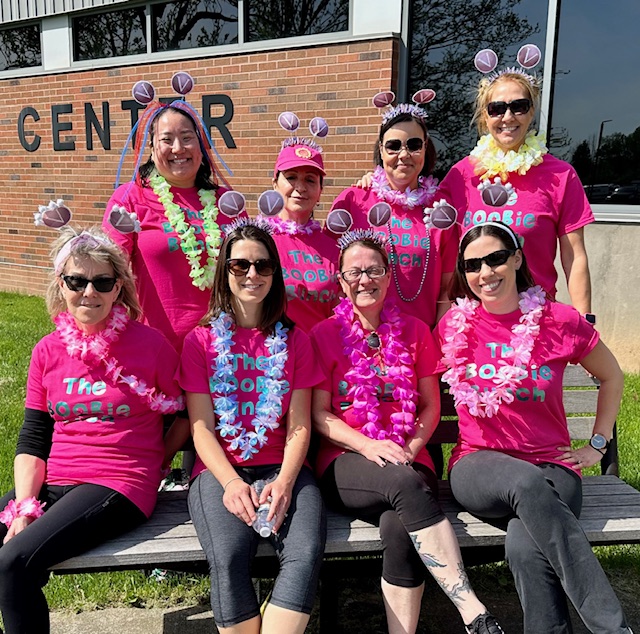
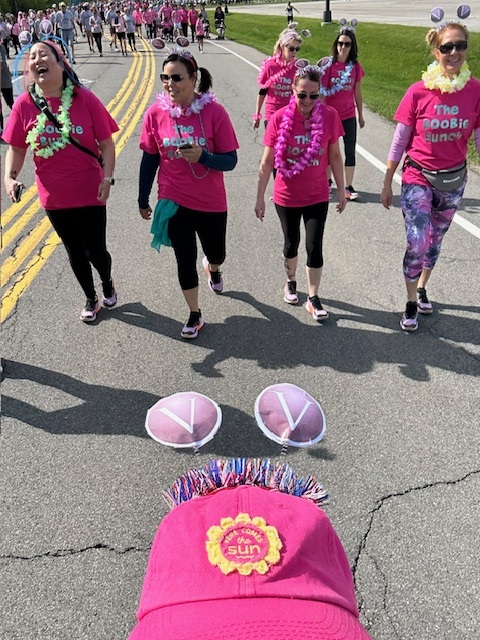
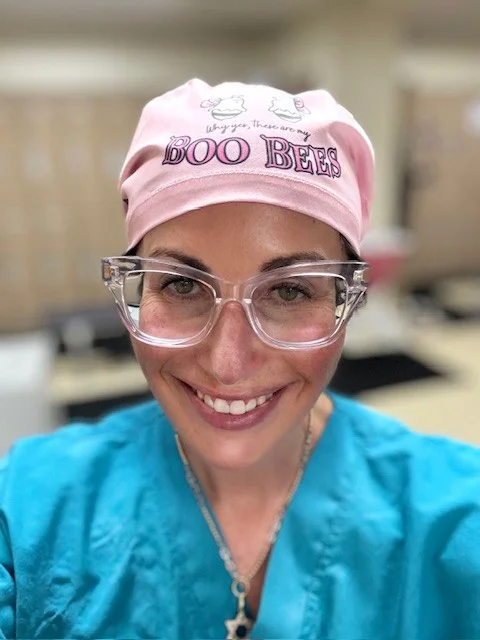
At Vega Plastic Surgery & Med Spa, supporting those impacted by breast cancer is something we carry with us beyond our clinic walls. Our team regularly participates in awareness events and community initiatives that honor survivors, raise support, and help bring greater visibility to the breast cancer journey.

Move Forward With Confidence Through Cancer Care

Vega Plastic Surgery & MedSpa is here to support you through cancer care with clarity, compassion and expert surgical skill. Whether you are navigating a new diagnosis, exploring preventive options or continuing care after treatment, our team is committed to helping you move forward with confidence.

Call 585.383.4040 to schedule your consultation and experience cancer care that is thoughtful, supportive and centered around you.

Book Your Consultation