Lumpectomy
For patients with early-stage breast cancer, lumpectomy removes the tumor while preserving most of the breast tissue. Dr. Farkas’s patients typically experience minimal pain and return to desk work within four to five days.
About Dr. Farkas
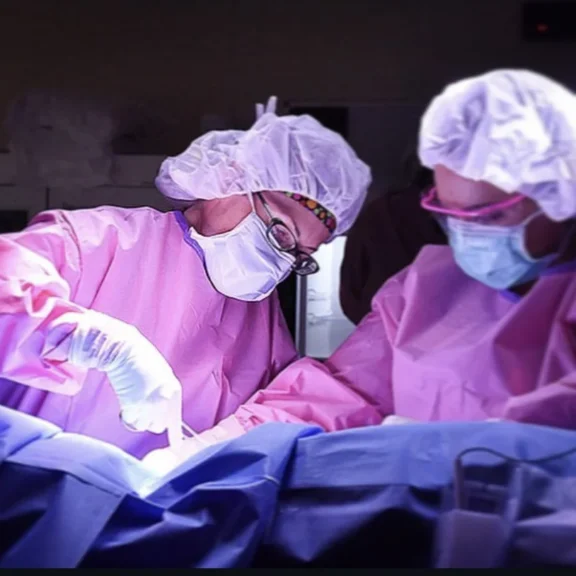
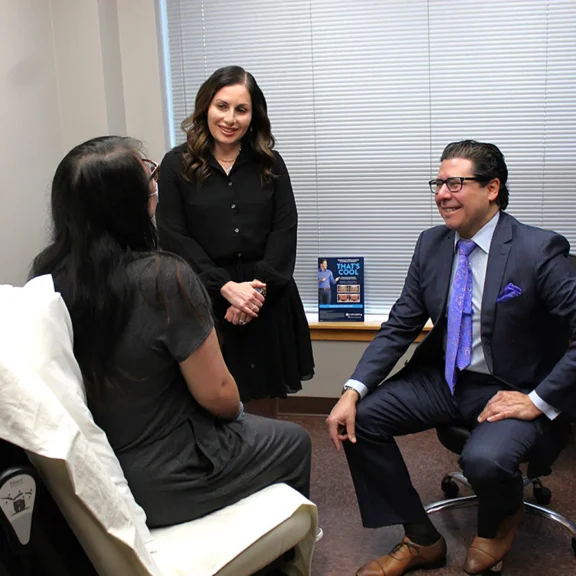
When Dr. Farkas walks into an exam room, patients often forget they’re meeting a surgeon. Within minutes, they’re sharing stories about their families, their fears and their hopes as if catching up with an old friend over coffee. This ability to create instant connection isn’t a practiced technique. It’s simply who she is.
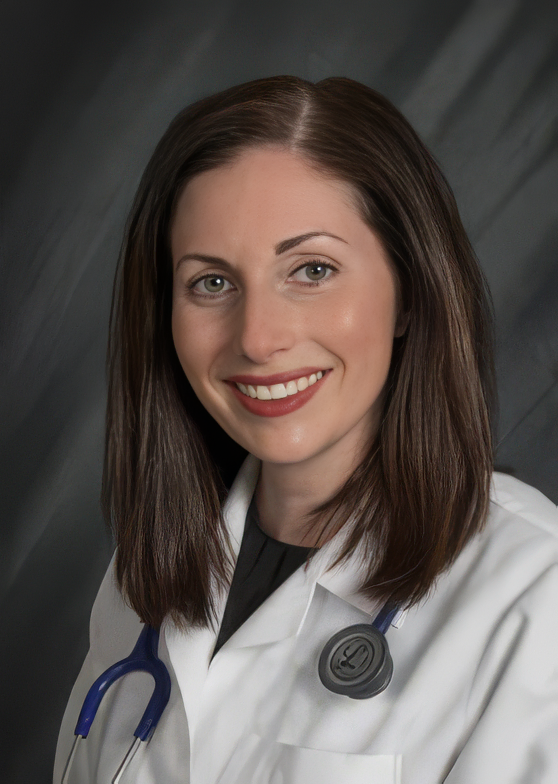
Rachel Farkas, MD, FACS, brings a rare combination to breast cancer care: surgical precision honed over nearly two decades, along with an unhurried and compassionate approach. As a board-certified surgical oncologist at Vega Plastic Surgery & MedSpa, she has earned a reputation as one of Western New York’s top breast cancer surgeons, known equally for her technical expertise and her ability to make even the heaviest conversations feel manageable.
Family
Growing up in New York City as the oldest of four children in a non-medical family, Dr. Farkas found herself drawn to the sciences from an early age. Her parents, particularly supportive of her brother’s potential medical career, inadvertently planted seeds that would flourish across all four siblings. Today, three of them are physicians: Dr. Farkas, her brother who practices pediatric medicine and her sister who is a cardiologist. Her other sister pursued a career in law.
“I was always drawn to the sciences,” Dr. Farkas recalls. “There’s a natural flow from being a science nerd in college to becoming one of the pre-med folks.”
Medical school opened her eyes to the breadth of possibilities in the field, but she remained undecided about her specialty. Then, during her second year, her mother was diagnosed with breast cancer. As the oldest child, Dr. Farkas found herself thrust into the role of medical decision-maker for her family, helping her parents navigate the complex choices that accompany a cancer diagnosis.
“My parents thought I was a doctor because I was in medical school,” she says with a laugh. “I probably wasn’t the world’s expert then, but we navigated it together. My mom had a great outcome, and those experiences influenced where I ended up.”
Problem Solving
The defining moment of her career path came during a summer research position with a female neurosurgeon. She chose this mentor specifically because she was a woman, as Dr. Farkas was seeking a female role model in the field of medicine. That rotation introduced her to the operating room for the first time.
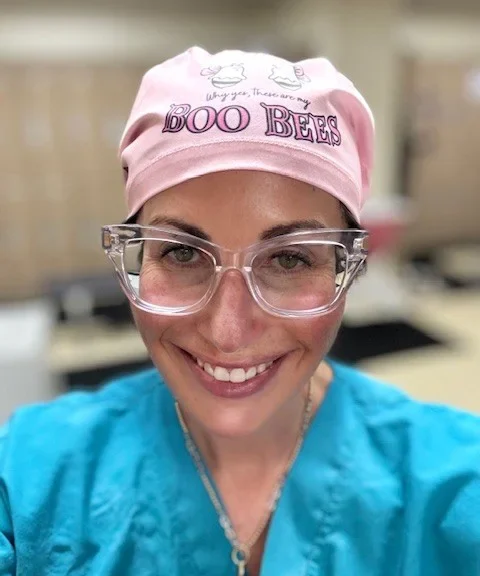
“I thought surgery was amazing,” she recalls. “The tactile sense, fixing things with your hands, coming into the operating room with a problem and leaving with a solution. That immediate gratification really spoke to me.”
But neurosurgery, with its sometimes devastating outcomes, didn’t align with her desire to build long-term relationships with patients. She needed something that combined surgical precision with meaningful patient connection. After reflecting on the breast cancer experience that had touched her family, Dr. Farkas found her calling in breast surgical oncology.
“Breast cancer surgery has all the pieces I was looking for,” she explains. “Conversation. Shared decision-making. Surgery that’s delicate and elegant. And high survival rates, where I get to follow patients long-term and see how they succeed in life.”
Expertise
Dr. Farkas graduated at the top of her class from New York Medical College before completing her general surgery residency at the University of Rochester Medical Center (URMC) in 2011. Her exceptional performance earned her the position of chief resident during her final year, a testament to her surgical skills and leadership abilities.
She continued her training with a dedicated breast surgical oncology fellowship at URMC in 2012, where she honed her expertise in all forms of mastectomy, including skin-sparing and nipple-sparing approaches, hidden-scar breast surgery and advanced lymph node procedures. This comprehensive training positioned her to care for breast cancer patients as well as women at high risk of developing the disease.
Dr. Farkas served on the teaching faculty at URMC for nearly a decade, teaching residents in the operating room and leading medical student courses on breast cancer and tumor biology. She discovered that connecting with students through their personal experiences with the disease created powerful teaching moments.
Partnership
Dr. Farkas worked alongside Dr. Vega at the University of Rochester Medical Center for over a decade before officially joining his practice in 2020. Even early in their partnership, she noticed something unique about his approach.
“There was always a startling difference between the quality of his reconstructive work and that of other plastic surgeons,” Dr. Farkas observes. “But what mattered even more was that he really cared and took the time to craft a plan with me that worked for both the cancer and the aesthetic.”
Her decision to leave the university system came down to something many physicians in corporate medicine struggle with: time constraints and the inability to provide the personalized care she knew her patients deserved. When Dr. Vega invited her to join his private practice, she saw an opportunity to practice medicine the way she’d always envisioned, with the freedom to spend meaningful time with each patient.
The collaboration between Dr. Farkas and Dr. Vega starts long before surgery. When immediate reconstruction is planned, Dr. Vega examines the patient and marks optimal incision placement while Dr. Farkas plans her approach. They discuss the surgical plan together, ensuring every move in the operating room sets up the best possible reconstruction outcome without compromising cancer care.
“He never gives up,” she adds. “If a patient is dissatisfied with their reconstruction results, Dr. Vega persists until they’re happy. That commitment to excellence is rare.”
Education
What distinguishes Dr. Farkas from many surgeons is her deep understanding that breast cancer treatment isn’t about following a rigid protocol. Every patient arrives with their own unique circumstances, values and priorities that shape which treatment path makes sense for them.
“With a breast cancer diagnosis or genetic risk, there are a lot of decisions, and there’s no one right decision,” she explains.”The cancer surgery itself may be influenced by tumor size or type, but patients often have more choices than they realize. A woman with cancer in one breast might choose a bilateral mastectomy to eliminate the worry of going through this again, even when it’s not medically required. Another woman may choose a nipple-sparing mastectomy to preserve the natural appearance of her nipple-areola complex. And for reconstruction, the options depend on each patient’s body and goals. Flap procedures like the DIEP require adequate donor tissue from the abdomen, while implants offer a shorter surgery and recovery but may need replacement down the road. That’s why I need to understand where patients are coming from: their family obligations, daily routines and what matters most to them, even concerns about sexual sensation and nipple sensitivity, so we can find the approach that fits their life.”
Dr. Farkas spends extensive time with each patient, often an hour or more, listening to their story and explaining the natural history of breast cancer, how it evolves and spreads, and the full range of treatment options available. This knowledge empowers patients to make informed decisions that align with their personal circumstances.
“When people understand the disease process, it becomes less terrifying and less crippling,” she notes. “It’s very much about education, understanding and empowerment.”
Her patients consistently report leaving consultations with a clear grasp of their diagnosis and options, transformed from overwhelmed to informed. Sally, a patient who underwent bilateral mastectomy with DIEP flap reconstruction, described Dr. Farkas as “spunky, warm, funny” with “this way of making you feel comfortable immediately, like a lifelong friend.”
Loretta, another patient, was amazed when Dr. Farkas spent nearly two hours with her during their first consultation. “She answered every question, explained every option, and never once made me feel rushed,” Loretta recalls. “She had this wonderful energy, like meeting an old friend who happened to be brilliant at breast cancer surgery.”
Breast Cancer
Dr. Farkas performs the complete range of breast cancer procedures, from breast-conserving lumpectomies to the most advanced forms of mastectomy. When immediate reconstruction is appropriate, she and Dr. Vega coordinate their schedules to complete the mastectomy and reconstruction in a single surgery, minimizing the physical burden of multiple procedures and the emotional trauma of waking up flat-chested.
For patients with early-stage breast cancer, lumpectomy removes the tumor while preserving most of the breast tissue. Dr. Farkas’s patients typically experience minimal pain and return to desk work within four to five days.
Dr. Farkas specializes in skin-sparing and nipple-sparing mastectomy techniques that preserve the breast envelope and natural contours, creating optimal conditions for reconstruction. She also performs hidden-scar approaches that minimize visible scarring. For more advanced cases where cancer has spread to the lymph nodes or chest wall, Dr. Farkas performs modified radical mastectomy, which removes the breast tissue and axillary lymph nodes while preserving the chest muscles.
For women with genetic mutations (such as BRCA and others that increase breast cancer risk) and/or a significant family history of breast cancer, Dr. Farkas offers bilateral risk-reducing mastectomy to prevent cancer before it develops.
Dr. Farkas has developed particular expertise in flat aesthetic closure, a procedure for patients who choose not to have breast mound reconstruction or who are dissatisfied with previous mastectomy results. This technique, now recognized in the NCCN guidelines as a valid and distinct reconstruction option, creates a smooth, flat chest wall that enables patients to wear prosthetics comfortably or embrace their new contours confidently.
She performs both sentinel lymph node biopsy and axillary lymph node dissection to stage cancer accurately and guide treatment planning.
Dr. Farkas places ports for patients requiring chemotherapy, managing all aspects of their surgical care under one roof.
Celebrating Milestones
Dr. Farkas describes herself as the quarterback of her patients’ cancer care, taking her role as field general very seriously. She coordinates closely with medical oncologists, radiation oncologists and genetic counselors to create comprehensive treatment plans. Follow-up care continues long after surgery. Dr. Farkas sees patients at six months to confirm they’ve completed recommended treatments and resumed routine imaging surveillance. Annual visits continue for at least five years, though many patients choose to maintain the relationship even longer.
“Some people don’t break up with me,” she laughs. “I usually tell people at five years that they can go back to their regular doctor. But I have more than a handful of people who will still see me at seven, eight, nine years out.”
These long-term follow-ups focus on celebrating milestones and supporting healthy lifestyles. Dr. Farkas helps patients maintain ideal body weights, stay physically active and optimize their vitamin D levels. These conversations shift from cancer-specific treatments to holistic wellness, recognizing that long-term health requires attention to multiple factors.
“The most satisfying thing is the milestones,” she reflects. “Years of disease-free survival. People who hit milestones they didn’t expect they were ever going to be able to hit. Seeing patients make it to their kids’ graduations and beyond.”
Future
Dr. Farkas and her husband, an endocrine surgeon, are raising three children. Balancing a demanding surgical practice with active parenting requires creativity, but she considers both roles essential to her identity.
“I don’t believe in work-life balance,” she says. “But part of what makes me who I am is that I’m a surgeon and a full-time mom. I take care of my patients when they need me and my kids when they need me.”
One memorable example stands out: the day she performed two bilateral mastectomies while she was nine months pregnant, then checked herself into the hospital and delivered her daughter seven hours later.
Outside of work and family, Dr. Farkas is an avid reader who goes through roughly one book per week. She cooks dinner almost every night, treating new recipes like science experiments. She enjoys yoga and family vacations to warm, tropical destinations. And she’ll readily admit that shopping remains a favorite hobby.
Our Patients
In a medical landscape where appointments are rushed and patients often feel like numbers, Dr. Farkas and Dr. Vega offer something different. Vega Plastic Surgery provides what Dr. Farkas calls a “concierge boutique experience” with direct access to surgeons and unhurried consultations. Questions get answered. Concerns get addressed. Patients leave feeling informed and empowered rather than overwhelmed.
Perhaps nothing illustrates Dr. Farkas’ approach better than how she handles the operating room experience itself. She enters the pre-op area and asks if they’re “ready for their party,” reframing surgery as a personal celebration rather than something to dread. She asks patients about their favorite music and plays it as they fall asleep.
“Surgery can be a scary moment, so I do as much as I can to make patients feel a little more at ease,” she explains. “These things might sound small, but they matter when everything else feels so serious. Every patient interaction should be a way to make things better, to make them feel comfortable, to help them understand that they’re not alone in this.”
Her certifications from the American Board of Surgery and fellowship status in the American College of Surgeons speak to her clinical credentials. Her involvement with the Breast Cancer Coalition of Rochester, as a member of the physician advisory board and as a frequent volunteer, reflects her commitment to the community. But what truly sets her apart is simpler: she treats every patient the way she’d want to be treated.